can a high protein diet make you constipated Why high-protein diets can cause constipation or diarrhea
A high-protein diet is a popular choice for people looking to lose weight, build muscle, or improve their overall health. However, some individuals may experience digestive discomfort such as constipation or diarrhea while on this dietary plan. Understanding the reasons behind these symptoms and how to manage them can help people enjoy the benefits of a high-protein diet without the downsides.
What causes constipation or diarrhea on a high-protein diet?
When people increase their protein intake, they often decrease their carbohydrate consumption. Carbohydrates provide fiber, which helps to maintain bowel health. Without enough fiber, stools can become hard, dry, and difficult to pass, leading to constipation. On the other hand, a high-protein diet can cause diarrhea because excess protein is hard for the body to digest and can result in loose stools and abdominal discomfort.
Additionally, some high-protein foods, such as dairy products or red meat, may contain antibiotics, growth hormones, and artificial additives that can irritate the gastrointestinal tract and cause digestive problems.
How to avoid constipation or diarrhea on a high-protein diet?
There are several ways to prevent or alleviate constipation or diarrhea while following a high-protein diet:
- Drink plenty of water: Staying hydrated helps to soften stools and make them easier to pass. It also helps to flush out toxins from the body and improve overall digestion.
- Eat fiber-rich foods: Including high-fiber foods such as vegetables, fruits, nuts, and seeds in the diet can provide the necessary fiber for maintaining bowel regularity.
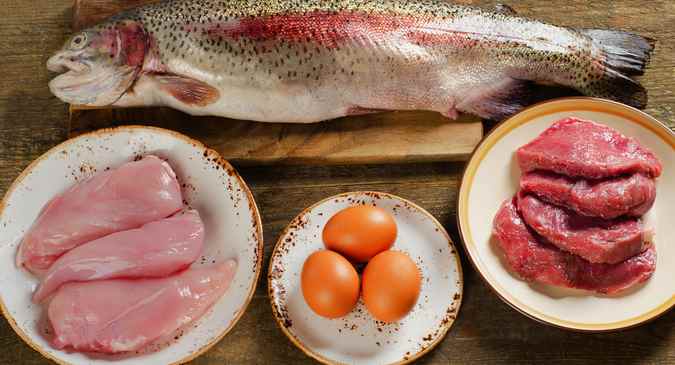
- Choose lean protein sources: Opting for lean protein sources such as chicken, fish, beans, or legumes can help to reduce the amount of saturated fat and cholesterol in the diet that can cause digestive discomfort.
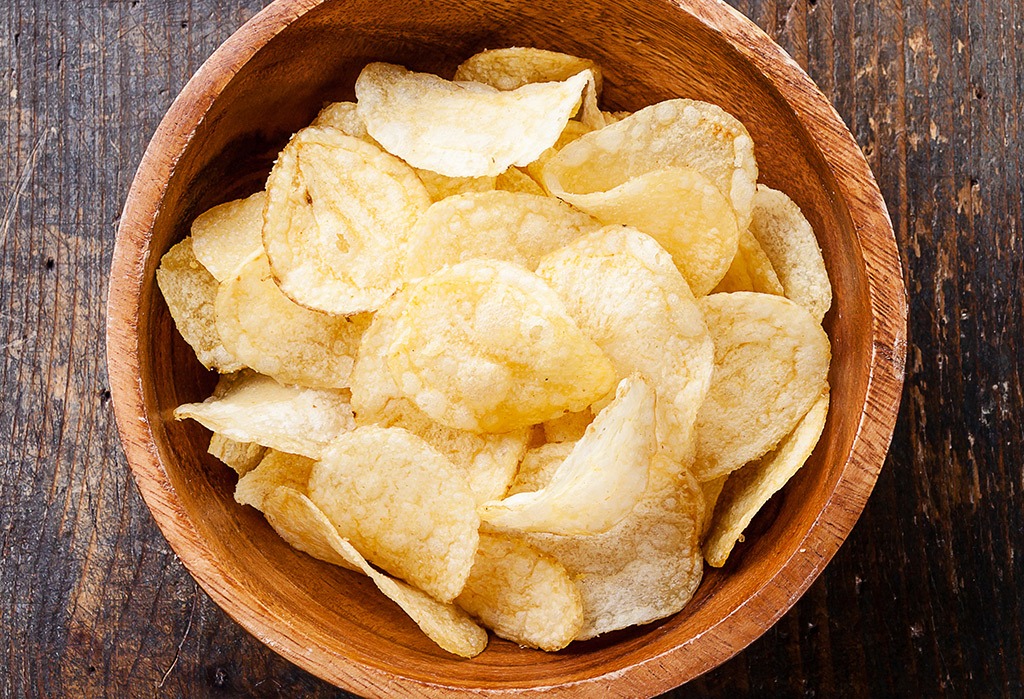
- Avoid processed foods: Processed foods are often high in additives and preservatives that can irritate the digestive system. Choosing whole, unprocessed foods can help to promote better digestion and reduce the risk of constipation or diarrhea.
Conclusion
A high-protein diet can provide many health benefits, but it may also cause digestive discomfort in some people. Understanding the reasons behind these symptoms and taking steps to manage them can allow individuals to enjoy the benefits of a high-protein diet without the downsides. By staying hydrated, eating fiber-rich foods, choosing lean protein sources, and avoiding processed foods, people can maintain bowel health and promote better digestion while following this dietary plan.
 Can A High-Protein Diet Make You Constipated?
While high-protein diets can be excellent for weight management and overall health, some people may experience bowel discomfort such as constipation. This happens because high-protein foods are usually low in fiber, which can lead to hard, dry stools that are difficult to pass. Therefore, it is crucial to include high-fiber foods such as vegetables, fruits, nuts, and seeds in the diet while following a high-protein meal plan. Drinking plenty of water can also help to soften stools and promote bowel regularity. By making these simple changes, people can enjoy the benefits of a high-protein diet without the unpleasant side effects.
 Why High-Protein Diets Can Cause Constipation Or Diarrhea?
High-protein diets can cause either constipation or diarrhea, depending on the individual’s digestive system and the type of protein consumed. Excess protein is hard for the body to digest and can result in loose stools and abdominal discomfort. Additionally, some high-protein foods such as dairy products or red meat may contain antibiotics, growth hormones, and artificial additives that can irritate the gastrointestinal tract and cause digestive problems. To avoid these issues, it is recommended to choose lean protein sources such as chicken, fish, beans, or legumes and to avoid processed foods that may contain harmful additives and preservatives. By making these changes, individuals can enjoy the benefits of a high-protein diet without compromising their digestive health.
If you are looking for A high-protein diet can get you constipated? | TheHealthSite.com you’ve came to the right place. We have 5 Images about A high-protein diet can get you constipated? | TheHealthSite.com like Can A High-Protein Diet Make You Constipated?, Pin on Weight loss and also Pin on Weight loss. Read more:
A High-protein Diet Can Get You Constipated? | TheHealthSite.com
 www.thehealthsite.comconstipated thehealthsite ths
Pin On Weight Loss
 www.pinterest.com.auprotein gain high muscle food healthy lunch diet meals eat meal lot weight foods loss nutrition bulking magic prep there
Can A High-Protein Diet Make You Constipated?
vnexplorer.net15 Foods That Make You Constipated | Eat This Not That
 www.eatthis.comconstipated diabetics diabetic eatthis
Why High-Protein Diets Can Cause Constipation Or Diarrhea
www.womenshealthmag.comdiets constipation emojipedia constipated
Protein gain high muscle food healthy lunch diet meals eat meal lot weight foods loss nutrition bulking magic prep there. Constipated diabetics diabetic eatthis. Diets constipation emojipedia constipated